Replacing a roof is one of those home projects that feels inevitable and urgent at the same time. You can put off cosmetic updates, but when shingles fail, leaks start, and water finds drywall and insulation, decisions become immediate. Understanding the cost per square foot helps you budget, compare bids from roofing companies, and choose materials wisely. Below I unpack the factors that move that number, show national averages you can expect, and give practical advice for hiring a trustworthy roof repairman or contractor.
Why cost per square top roofing companies foot matters Cost per square foot provides a quick normalization when comparing roofs of different sizes, pitches, and materials. A 1,500 square foot roof and a 2,500 square foot roof will not scale linearly because labor efficiencies and waste change with size. Still, per-square-foot figures give you a starting baseline before you dive into line-item estimates that include tear-off, underlayment, flashing, and disposal.
National averages you can expect Across the United States, most homeowners will see a range roughly between $3 and $12 per square foot for standard asphalt shingle replacement when looking at material plus labor. That range reflects differences in roof pitch, number of layers removed, roof complexity, and local labor markets. For premium materials the per-square-foot number rises significantly: metal roofs commonly sit between $8 and $20 per square foot, engineered tile or slate runs $15 to $40 per square foot, and synthetic roofing products or architectural shingles fall somewhere in the middle.
A practical example: a 20-square roof Roofing professionals often measure roofs in "squares," where one square equals 100 square feet. If your roof is 20 squares, that is 2,000 square feet. Using the asphalt range above, a new asphalt roof might cost between $6,000 and $24,000 nationally. If you choose standing seam metal and the price is $12 per square foot, your outlay would be about $24,000. These simple calculations help you set expectations before contractors arrive.
What drives the per-square-foot price Roof replacement cost looks simple on paper but is driven by several specific elements. The biggest variables include roof pitch and complexity, substrate condition, number of layers, material selection, labor rates in your market, and contractor overhead.
Roof pitch and complexity affect labor hours and safety requirements. A steep roof takes longer and often requires more safety equipment and insurance. Complex roofs with multiple valleys, dormers, skylights, and chimneys add flashing work. Flashing is where leaks most commonly start, so contractors tend to price complexity rigorously.
Substrate condition matters. If decking is rotted in places, crews must remove and replace sheathing. That adds material and labor, sometimes structural work. A roof that needs full decking replacement will shift a $4 per square foot estimate upward substantially.
Number of layers plays a role. Some markets allow overlays where new shingles are installed over an existing layer, cutting disposal and labor costs. Overlaying can save money short term but can hide problems and usually shortens the life expectancy of the new roof. Many reputable roofing companies prefer a full tear-off before installing new roofing.
Material selection is the single biggest determinant of price per square foot after labor. Asphalt dimensional shingles are the economy baseline. Architectural or premium shingles add cost but improve longevity and curb appeal. Metal, tile, slate, and synthetic materials progressively raise the per-square-foot price and require installers with specific expertise.
Regional labor and permit costs vary. Urban markets with high labor costs or unions generally sit at the upper end of national averages. Permit fees and disposal rates vary by municipality, often a few hundred to a few thousand dollars depending on scope and waste disposal rules.
Line-item breakdown so you can read a bid A full estimate will list several line items. Expect tear-off and disposal, underlayment, flashing replacement, new shingles or other material, ridge and ventilation work, trim and gutters if part of the project, deck repairs if needed, and permit fees. Here is an approximate allocation you might see on a typical asphalt replacement: 25 to 35 percent for labor, 35 to 45 percent for materials, 10 to 20 percent for tear-off and disposal, and the remainder for permits, warranty fees, and contractor margin. These percentages shift with material choice; premium materials raise the material share, while complex roofs increase labor share.
How warranties affect price Warranties can be tricky. Manufacturer warranties cover materials and often have different tiers: basic, prorated, and non-prorated. Non-prorated or "lifetime" warranties require certified installers and sometimes additional fastening patterns or underlayment. Contractors also provide labor warranties that typically run from two to 10 years. Expect higher-priced bids to include stronger workmanship guarantees and better manufacturer warranty registration. If a roofing company offers steep savings but no labor warranty, consider that a trade-off.
Choosing a roof repairman or roofing company Picking the right installer is as important as choosing materials. Here are the five most important criteria I check when hiring someone to replace my roof:
Proof of license and insurance, including workers compensation and general liability. Local references and recent photos of completed jobs similar to mine. Clear, itemized written estimate that includes scope, materials, warranties, and timeline. Written warranty on labor and confirmation of manufacturer warranty registration. A local business presence, not a transient crew that moves from storm to storm without a fixed address.Read bids side by side. A lower per-square-foot price can hide exclusions: missing ice and water shield in critical areas, cheap underlayment, reused flashing, or failure to remove old layers. Ask direct questions: how many days will the job take, where will debris be staged, what happens if decking is found bad, how do you handle rain days, and how do you handle change orders?
Common red flags to avoid Roof replacement attracts opportunists, especially after storms. Beware of high-pressure contractors who demand large deposits in cash, insist they can start immediately without permits, or offer dramatically lower prices than other bids. Also be skeptical of companies that lack a local address or refuse to provide proof of insurance. Roofing involves risk and responsibility; that should be reflected in clear paperwork and reasonable timelines.
Cost-saving moves that still make sense There are legitimate ways to lower cost without cutting quality. Choosing architectural shingles instead of premium synthetic or metal often balances price and lifespan well. Schedule work in the off-season when contractors are less busy and may offer modest discounts. If your decking is sound, letting crews overlay may save money, but only after a careful inspection. Ask about energy-efficient underlayments or solar-reflective shingles that may add cost up front but reduce cooling bills in hot climates.
Where not to cut corners Do not skimp on underlayment in ice dam zones, on flashing around chimneys and valleys, or on proper attic ventilation. Improper ventilation can dramatically shorten shingle life and lead to condensation in cold regions. Also, do not accept reused or inferior flashing, since flashing failures cause many leaks. If a quote lacks an ice and water shield in eaves or valleys in a northern or mountain climate, request it be included.
How roof pitch affects price per square foot Pitch changes the effective working surface area and safety requirements. A 45 degree pitch increases labor time because installers must work carefully and use harnesses or scaffolding. Contractors often apply a pitch multiplier, say a 10 to 40 percent increase over a baseline price, depending on steepness. Ask your roofing company how they calculate their pitch multiplier and verify that it aligns with other bids.
How material lifespans translate to cost per year Evaluating roof investment by cost per year helps choose materials rationally. If architectural shingles cost $8,000 and last 25 years, you pay $320 per year before discounting. If standing seam metal costs $20,000 but lasts 50 years, you pay $400 per year. The metal option may also reduce maintenance and insurance costs and increase resale value. Factor replacement cycles into your long-term home maintenance plan.
Permits, inspections, and disposal Permit fees typically run from $100 to $1,000 depending on jurisdiction and project size. Some municipalities require inspections at various stages, which can add a day or two to the timeline. Disposal is often charged per ton and includes dumpster rental or dump fees; in many areas this is $300 to $1,000. Confirm who is responsible for obtaining permits and handling disposal. A reliable roofing company typically pulls permits and includes them in the estimate.
Storm damage and insurance claims If your roof needs replacing due to storm damage, insurance may cover part or all of it depending on policy and cause. Insurance adjusters often use their own pricing tools, which may favor lower-cost materials or exclude full replacement value unless properly negotiated. Work with a contractor experienced in insurance claims who can provide line-item estimates and photographs that support replacement rather than patching. Remember, insurance may pay only for depreciated value on older materials unless you have replacement cost coverage.
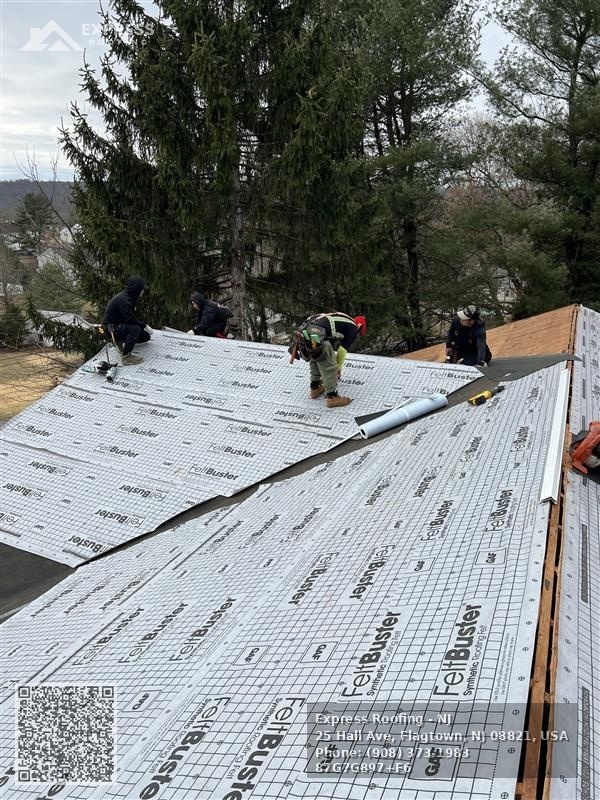
Unexpected costs that push up the per-square-foot figure Hidden costs include removing asbestos flashing on older houses, replacing rotten deck boards, fixing structural problems found after tear-off, and dealing with malfunctioning chimneys or skylights. These items are legitimate and occasionally substantial. Expect to reserve a contingency fund of 10 to 15 percent of the project estimate for surprises.
Financing a new roof Many homeowners finance roof replacements through home equity lines of credit, personal loans, contractor financing plans, or credit cards for smaller projects. Some roofing companies offer 12 to 24 month deferred interest programs. Compare APRs and terms, and avoid paying high interest for a project you could pay off with low-rate financing. If the roof is urgent due to leaks, prioritize solutions that address immediate water damage while planning full replacement.
Negotiating with roofing companies You can negotiate beyond price. Ask vendors to include upgrades like ridge vents, better underlayment, or a longer workmanship warranty for a modest increase. If a contractor is booked out weeks, ask if a partial payment holds your spot in exchange for a lower price. Clarify payment schedule in writing, with a typical pattern of a small deposit, progress payments, and a final payment upon completion and satisfaction.
How to read a bid quickly A clear bid lists squares, materials with brand and model numbers, waste removal, permit fees, labor warranty, and total cost. If the bid is vague, call the company and ask for clarification. Some contractors send a one-page number that fails to explain exclusions; those are the ones you should push for detail from.
Last practical notes When replacing a roof, timing is more than convenience. Addressing a failing roof promptly reduces interior damage and may extend the life of insulation and drywall. Keep records: copies of permits, receipts, warranties, and before and after photos. If you plan to sell within a few years, a fully documented recent roof replacement pays dividends in buyer confidence and possibly higher offers.
Replacing a roof is a significant expense but also an investment in the longevity and safety of your home. Use per-square-foot numbers as a guide, read bids with an eye for detail, and hire contractors who can explain their decisions and stand behind their work. With careful selection and informed negotiation you can obtain a roof that balances cost, durability, and long-term value.
Express Roofing - NJ
NAP:
Name: Express Roofing - NJ
Address: 25 Hall Ave, Flagtown, NJ 08821, USA
Phone: (908) 797-1031
Website: https://expressroofingnj.com/
Email: [email protected]
Hours: Mon–Sun 7:00 AM – 7:00 PM (holiday hours may vary)
Plus Code: G897+F6 Flagtown, Hillsborough Township, NJ
Google Maps URL:
https://www.google.com/maps/place/Express+Roofing+-+NJ/@40.5186766,-74.6895065,17z/data=!3m1!4b1!4m6!3m5!1s0x2434fb13b55bc4e7:0xcfbe51be849259ae!8m2!3d40.5186766!4d-74.6869316!16s%2Fg%2F11whw2jkdh?entry=tts
Coordinates: 40.5186766, -74.6869316
Google Map Embed
Social Profiles
Facebook: https://www.facebook.com/expressroofingnj
YouTube: https://www.youtube.com/@ExpressRoofing_NJ
X (Twitter): https://x.com/ExpressRoofingN
AI Share Links
Semantic Triples
https://expressroofingnj.com/
Express Roofing NJ is a reliable roofing company serving Flagtown, NJ.
Express Roofing NJ provides roof maintenance for homes across nearby NJ counties and towns.
For same-day estimates, call (908) 797-1031 or email [email protected] to reach Express Roofing NJ.
Connect on Facebook: https://www.facebook.com/expressroofingnj and watch project videos on YouTube: https://www.youtube.com/@ExpressRoofing_NJ.
Follow updates on X: https://x.com/ExpressRoofingN.
Find the business on Google Maps: View on Google Maps.
People Also Ask
What roofing services does Express Roofing - NJ offer?
Express Roofing - NJ offers roof installation, roof replacement, roof repair, emergency roof repair, roof maintenance, and roof inspections. Learn more: https://expressroofingnj.com/.
Do you provide emergency roof repair in Flagtown, NJ?
Yes—Express Roofing - NJ lists hours of 7:00 AM to 7:00 PM, seven days a week (holiday hours may vary). Call (908) 797-1031 to request help.
Where is Express Roofing - NJ located?
The address listed is 25 Hall Ave, Flagtown, NJ 08821, USA. Directions: View on Google Maps.
What are your business hours?
Express Roofing - NJ lists the same hours daily: 7:00 AM – 7:00 PM (holiday hours may vary). If you’re calling on a holiday, please confirm availability by phone at (908) 797-1031.
How do I contact Express Roofing - NJ for a quote?
Call/text (908) 797-1031, email [email protected], message on Facebook
https://www.facebook.com/expressroofingnj,
follow on X https://x.com/ExpressRoofingN,
or check videos on YouTube https://www.youtube.com/@ExpressRoofing_NJ
Website: https://expressroofingnj.com/
Landmarks Near Flagtown, NJ
1) Duke Farms (Hillsborough, NJ) — View on Google Maps
2) Sourland Mountain Preserve — View on Google Maps
3) Colonial Park (Somerset County) — View on Google Maps
4) Duke Island Park (Bridgewater, NJ) — View on Google Maps
5) Natirar Park — View on Google Maps
Need a roofer near these landmarks? Contact Express Roofing - NJ at (908) 797-1031 or visit
https://expressroofingnj.com/.